Returning to the Hills
How to come back after a hiatus

Whether it is Winter or seasonal changes, the weather, work, health, injury, or perhaps life happens, and we take that break from whatever habit we are trying to build. We fall off the metaphorical horse. We come back from that break and it is now tome to get back on that horse. We have all faced that challenge. How we cope with getting back into the swing of things, is up to us.
It had been a while since I had hiked, due to my schedule being rigid, or because it was winter so a tad cooler here in the Bay area, finally hitting the hills on the weekend was a welcomed respite. Yet the process of hiking was harder than ever: from allergies, lung capacity, to every muscle protesting this otherwise joyful experience, and then the very thought that we had to do this for a mile? Let alone the goal of 3 miles!
Being injured/ taking time to rest can be challenging emotionally and mentally especially if you are an athlete, highly active, or if physical activity is a pivotal/ important part in your day. Often times Athletes find a lack in purpose, and may sink into depression when taking that time to recover from an injury this happens to so many of us. Think about a time you were laid off, or experienced a major life change, whatever you thought your purpose was is changing and now you have to rediscover your purpose. Yet resting, recuperating, and recovering is an essential process to getting back into a sport whether it hiking or basketball, and it can be the hardest time. Recently my niece and I were homebound sick with the flu and we were both so down. We could not go out, could not do anything (especially due to Covid and other Quarantine guidelines) remotely fun other than watch TV, which after a few hours gets very old. I wanted to get out and hike, and she wanted to play with other children, and as our lives were on hold and the outside world called to us, we knew we had to rest for ourselves and for other people.
… resting, recuperating, and recovering is an essential process to getting back into a sport whether it hiking or basketball…
To get through the times of rest and recuperation, according to numerous research studies, is finding social support. This could look like creating team of well wishers, or friends, or your teacher/ coach, or someone like a therapist/ or physical therapist who is literally and metaphorically going to hold your hand a long the way.
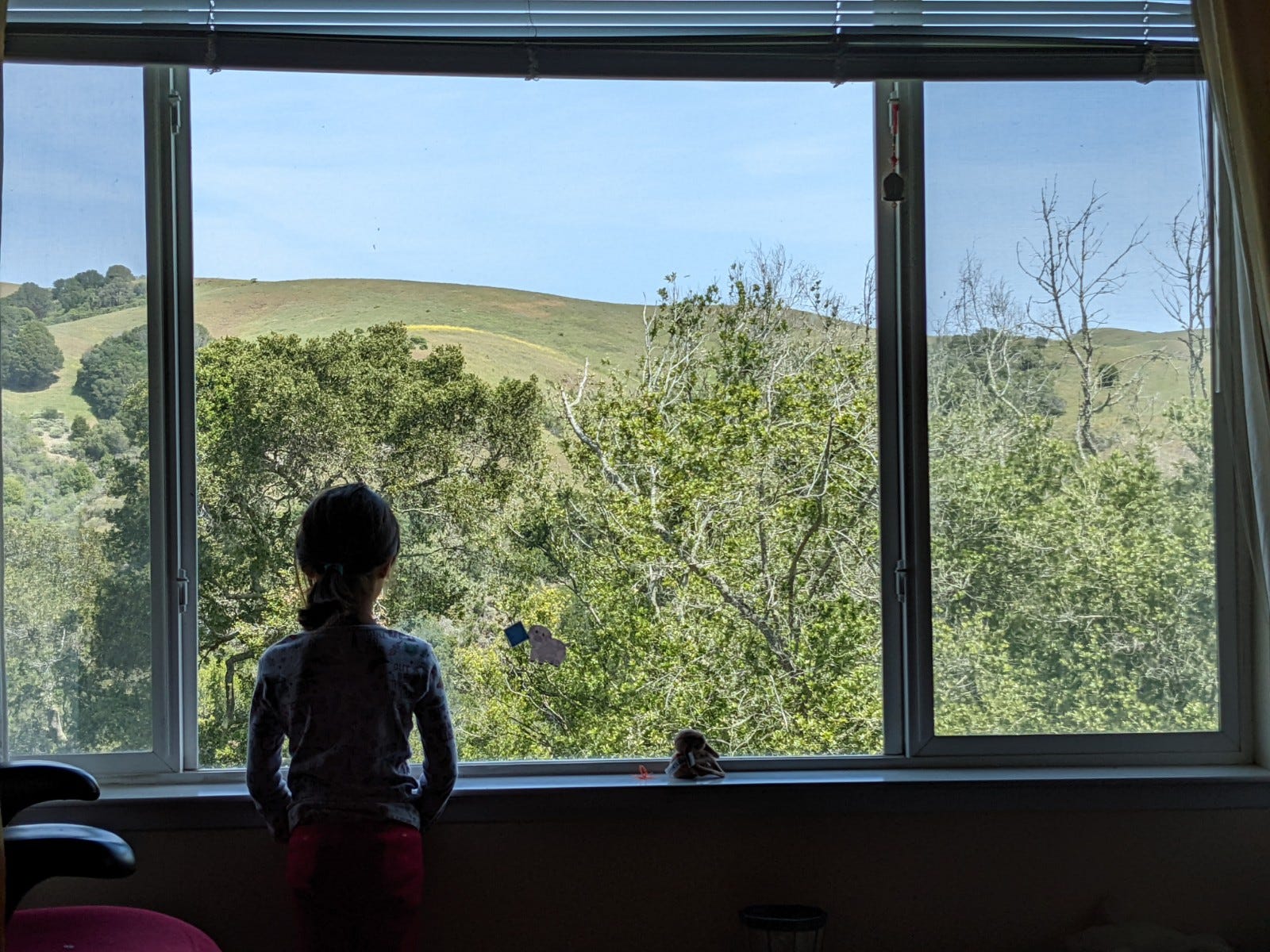
In the past I have had personal trainers, friends, and family to help me through recovery and then to get out of recovery mode back into motivation mode. The motivation the external support system provides is effective but does not make the process easy but a small step in the right direction. Speaking of steps, taking it a step at a time, and not aiming for the entire marathon will aid in the recovery process rather than furthering the injury or leading to an injury.
Using the step at a time approach or goal setting is a great way to get back just like in one of my earlier posts. I once met someone who lost 200lbs just by doing the elliptical starting with a minute a day and increasing it by 30 seconds everyday until they could do it for an hour. There are so many success stories such as this one, one thing to remember that its not a destination but a journey, that starts with one step. Taking baby steps may seem difficult, and even elementary, however a baby must learn to take the step before running or even dancing! The idea is to start from a place where it is comfortable and not painful. We all have to start somewhere, and the small steps is sustainable and healthier than giant leaps.
Another approach, which is a mental approach, to getting back into activity/ hiking is being kind to yourself. As my teacher always says “Be kind to yourself, but be wisely kind”. You can beat yourself up about not getting back into running a 10 minute mile immediately after illness, or you can say - this is my first day back, it will get better. Beating someone with the stick (metaphorical or not) never helped anyone and it will definitely not help you, and what we learn from the hills just likes the valleys and peaks, life and our performance also peaks and plummets.
this is my first day back, it will get better
We are often hard on ourselves to perform, to do, especially in this capitalist, ableist, meritocracy. We forget to take that time to rest; we endured a year long (or even more) pandemic, and many people focused instead of grieving, processing, and just enjoying that down time, on what could be accomplished, or achieved. If you learn anything from the hills, it is to just be and know that it is ok. You are going on a walk, and it does not need to have an aim, and that is ok. Resting is ok. We need to rest to be able to be able to do the things we do.
“Be kind to yourself, but be wisely kind”
There is a thin line about knowing how and when to get back in the game, and not sinking into the gaping hole that may be your couch which sometimes leads to eternal sluggish laziness (been there). This thin line is up to you, I enjoy the restful day, even the lazy day, but stay mindful of not making it a habit. Habits become lifestyles etc. which is a different rabbit hole. The balance between getting back from recovery, to overdoing it, or becoming lazy, is entirely up to you, and understanding your body and listening to it.
We may go from pushing ourselves too much, to not pushing ourselves enough, finding that sweet spot is a skill. One way I learned to do this is have some reliable committee (whose voices I have borrowed from good people in my life) and hearing them out. They often tell me things like - You finished that hill in under 4 minutes even though you’ve been benched for a month, we don’t have to do Five miles today. We also do not have that extra time. Your decision is made.
Like that, develop your own decision making skills. Listen to you body, and take it a step, a minute and a day at a time.